If you've ever slathered on a hair mask expecting to emerge with soft, luxurious locks but found yourself disappointed, you're not alone. Many people invest in hair care treatments only to find that their hair mask isn't working as advertised. But don't give up on your hair goals just yet. Let’s explore why your hair mask might not be delivering the results you crave and how to fix it.
Hair masks are a staple in hair care routines, promising deep nourishment and rejuvenation. But when the obvious methods fail, it's time to dig deeper. Is it the product, the timing, or something else entirely? Let’s get into the nitty-gritty of troubleshooting hair mask failures.
Understanding Your Hair Type
Not All Hair Types Are The Same
The first step in addressing why your hair mask isn't effective is understanding your hair type. Whether your hair is straight, curly, coiled, or wavy can significantly impact how a product performs.
- Type 1 (Straight): Typically lacks volume and oil spreads evenly, making some heavier masks unnecessary.
- Type 2 (Wavy): Benefits from lightweight masks that enhance natural waves without weighing them down.
- Type 3 (Curly): Often needs more moisture, so look for hydrating masks specifically for curls.
- Type 4 (Coiled): Requires intense hydration and conditioning from masks, often benefiting from ingredients like shea butter and oils.
"Understanding your hair type is crucial in choosing the right hair mask. A mismatch can lead to disappointing results." - Hair Expert, Chioma Ani
Common Mistakes by Hair Type
Choosing a mask that isn’t suited for your hair type is a common mistake. For instance, if you have fine, straight hair, a rich, heavy mask might weigh your hair down, leaving it greasy instead of silky.
The Importance of Ingredients
Check the Ingredients List
Not all hair masks are created equal. The ingredients list can make or break a product's effectiveness. Ingredients like silicones can provide instant shine but might build up over time, affecting long-term health.
- For Dry Hair: Look for masks with moisturizing agents like aloe vera, honey, and argan oil.
- For Oily Hair: Opt for masks that include tea tree oil or clay to balance sebum production.
- For Damaged Hair: Seek out keratin, proteins, and amino acids for repair.
Ingredient Sensitivities
Some people might have sensitivities or allergic reactions to certain ingredients. If your scalp feels itchy or irritated after using a mask, it may contain an ingredient that doesn't agree with you.
Application Techniques
Application Errors
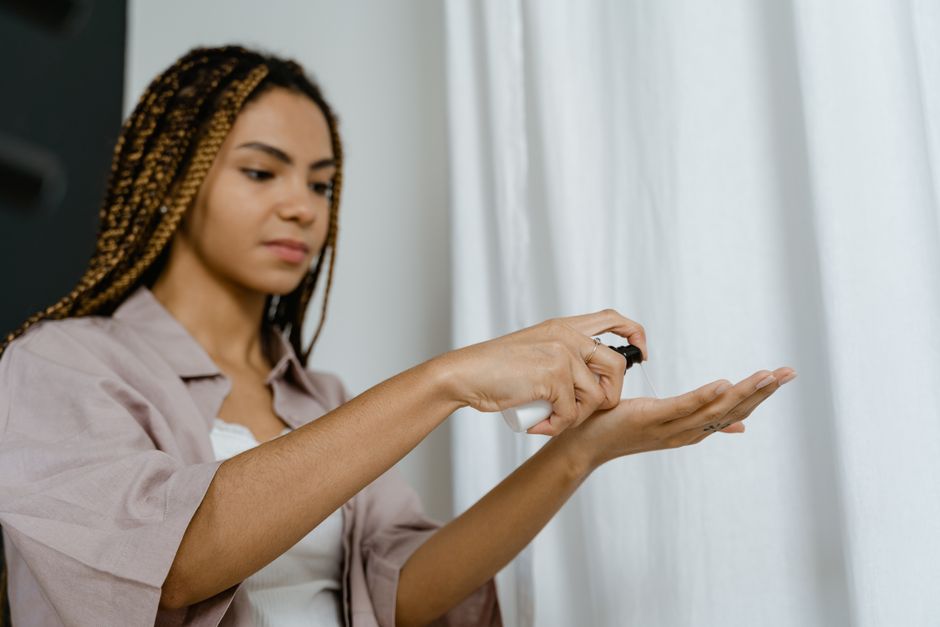
Even the best hair mask can fail if not applied correctly. Ensure that you’re applying the product evenly throughout your hair. Sectioning your hair can help distribute the product more effectively.
- Start from the Ends: The ends of your hair typically need the most care and attention.
- Use a Wide-Toothed Comb: This helps distribute the mask evenly without causing breakage.
Timing and Frequency
Leaving a mask on for too short or too long can impact its effectiveness. Generally, 15 to 30 minutes is ideal for most masks. Using a hair mask too often can also lead to build-up.
External Factors
Environmental Influences
Humidity, pollution, and climate can affect how a hair mask works. For example, high humidity can make your hair more prone to frizz despite using an anti-frizz mask.
Water Quality
The quality of water you use for washing your hair can also impact the effectiveness of your hair mask. Hard water, which is common in many areas, can leave mineral deposits on your hair, causing it to feel dry or brittle.
Final Thoughts
Revitalizing your hair care routine doesn't have to be a daunting task. By understanding your hair type, choosing the right ingredients, and applying your mask correctly, you can transform your hair from dull and lifeless to vibrant and healthy. Remember, hair care is a journey, and with the right approach, you're bound to see the results you desire.