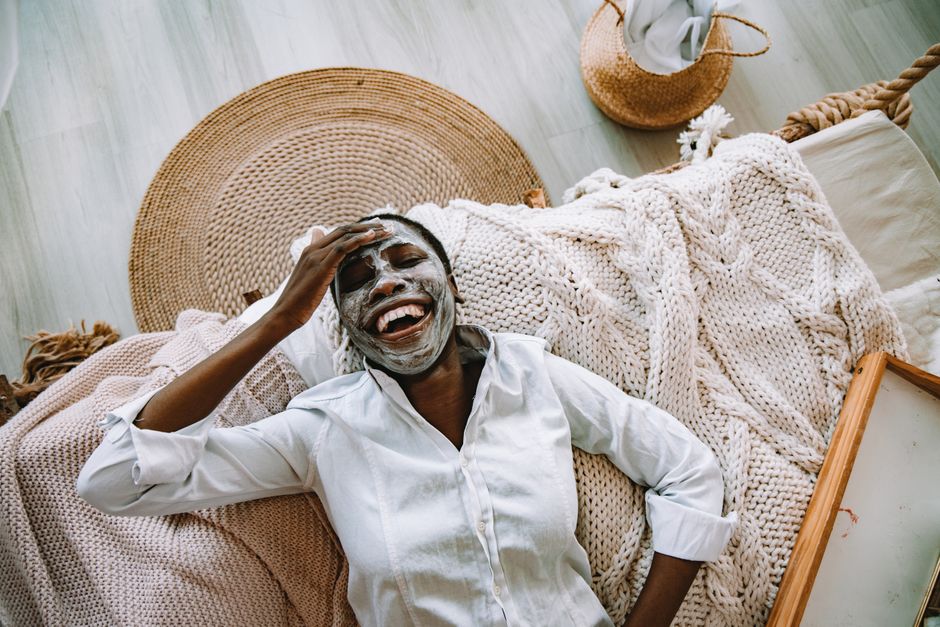
Hair masks are often hailed as the ultimate savior for damaged or dry hair, promising everything from intense hydration to deep nourishment. But what happens when these promises fall flat? It can be frustrating to invest time and money into a hair care routine only to find your hair looking limp and lackluster. Before you give up on hair masks entirely, let's explore some hidden reasons they might not be working as expected and offer practical solutions to get the most out of your treatments.
In Nigeria, where the climate can swing from dry harmattan winds to humid tropical heat, hair masks can be a lifeline. However, if they aren't delivering the results you crave, there might be more beneath the surface than meets the eye.
Understanding Your Hair Type
One of the most common oversights when using hair masks is not considering your specific hair type. Just like skincare, hair care is not one-size-fits-all. Your hair's porosity, texture, and density can all affect how a product works.
Identifying Hair Porosity
Hair porosity refers to your hair's ability to absorb and retain moisture. It can be low, normal, or high. If your hair masks seem ineffective, understanding your hair porosity could be the key.
- Low Porosity: Hair cuticles are tightly closed, making it difficult for moisture to penetrate. Opt for heat during application to open the cuticles.
- High Porosity: Hair cuticles are open, allowing moisture to escape easily. Use rich, emollient-based masks to lock in hydration.
Test your hair by dropping a strand into a glass of water. If it floats, you have low porosity. If it sinks quickly, it's high porosity.
Application Mistakes to Avoid
How you apply your hair mask can greatly impact its effectiveness. If you're not paying attention to the application process, you might be wasting valuable product.
Proper Sectioning
Slathering a hair mask haphazardly can lead to uneven coverage. Instead, divide your hair into manageable sections for thorough application.
- Use clips to separate your hair into four to six sections.
- Apply the mask from roots to tips, ensuring even coverage.
"Sectioning your hair ensures that every strand benefits from the nourishment of the mask," says Beauty Expert, Chiamaka Ude.
Timing Is Everything
Leaving a hair mask on for too long or washing it off too soon can both lead to subpar results. Timing your treatment just right is crucial.
Follow the Directions
It's tempting to leave a mask on for hours, thinking it'll work better, but the recommended time on the packaging is there for a reason.
- For protein-based masks, stick to the suggested time to avoid protein overload, which can make hair brittle.
- Moisturizing masks can generally be left on longer, but check for specific guidance.
Quality Matters
Sometimes, the issue isn't with how you're using the mask, but with the product itself. Not all masks are created equal, and ingredients matter.
Check the Ingredients
Understand what's in your hair mask. Those with silicones might give temporary shine but can build up over time, leading to dull hair. Look for masks with natural oils like argan or coconut oil for long-lasting benefits.
"Quality ingredients can make a world of difference," advises hair stylist Funke Olaniyi.
Environmental Factors
Your environment plays a significant role in how your hair responds to treatments. Nigeria's diverse climates can impact your hair care routine.
Adapting to the Climate
During the dry harmattan season, opt for intensive moisturizing masks. In contrast, lighter, breathable masks are better for the humid rainy season to avoid weighing hair down.
- Adjust your hair care routine with the seasons for optimal results.
- Consider protective styles during extreme weather to minimize damage.
Conclusion
When hair masks seem to fail, it's often due to factors we might overlook—be it hair type, application method, or environmental conditions. By addressing these hidden reasons, you can transform your hair care routine and achieve the luscious locks you've been aiming for. Remember, understanding your unique hair needs and adapting your approach can make all the difference. Don't abandon your hair masks just yet; instead, tailor them to your specific needs for the best results.