If you've been religiously deep conditioning your hair but still find it dry, frizzy, or unmanageable, you might be missing some crucial steps. Many hair enthusiasts in Nigeria and beyond encounter the same issue: despite using expensive products and following routines, their hair remains a challenge. But don't worry; the solution might be simpler than you think!
Deep conditioning should transform your strands into silky, smooth, and hydrated glory. However, certain overlooked factors could be undermining your efforts. Let’s explore the unexpected culprits and how to combat them.
Misunderstanding Your Hair's Needs
Know Your Hair Type
Different hair types react differently to deep conditioning. For instance, if you have low porosity hair, it might be resistant to moisture absorption, while high porosity hair, often damaged, can absorb too much too quickly. Understanding this is crucial.
"Knowing your hair type helps tailor your conditioning process effectively."
- Low Porosity: Use heat to open up the cuticles for better product penetration.
- High Porosity: Opt for protein-rich conditioners to strengthen fragile hair.
Identify Your Hair's Unique Needs
Sometimes, it's not about the product but how it's applied. Consider what your hair lacks — moisture, protein, or elasticity — and choose your deep conditioning treatment accordingly.
"Your hair's requirements are as unique as you. Tailor your routine to meet them."
Product Application Mistakes
Using Too Much or Too Little Product
More isn't always better. You might be suffocating your hair with too much product or starving it with too little. Find the right balance for your hair length and thickness.
Improper Distribution
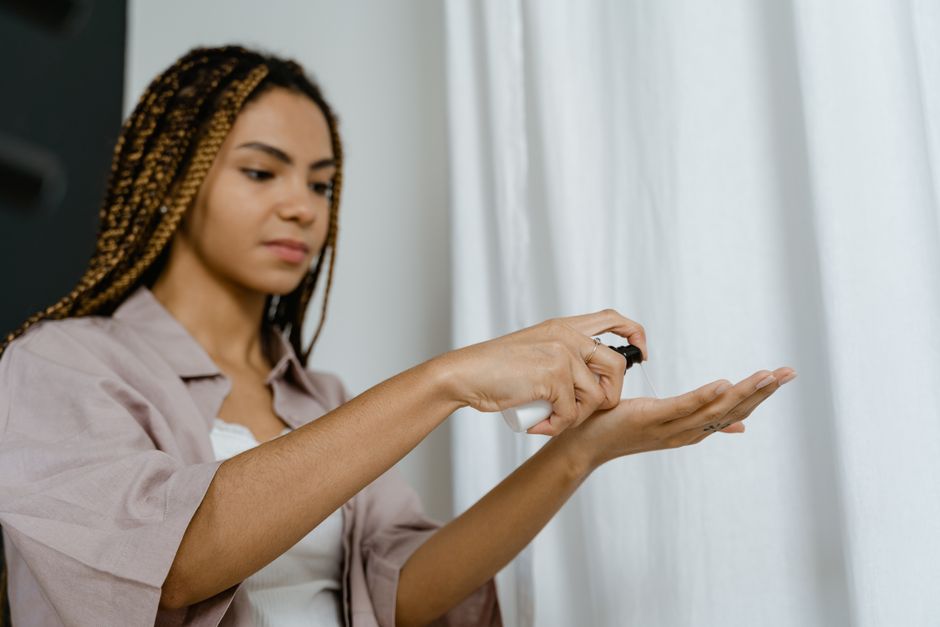
Ensure your conditioner is evenly distributed. Use a wide-tooth comb or your fingers to spread it consistently. This ensures each strand benefits from the treatment.
"Even distribution is key to effective conditioning."
Heat: Friend or Foe?
Timing and Temperature
If you’re not using heat, you might be missing out. Heat helps open the hair cuticles, allowing the conditioner to penetrate more deeply.
- Use a steamer or wear a shower cap under a hooded dryer.
- Avoid overheating, which can damage hair.
Mechanics of Heat
Not all heat is created equal. The type of heat and duration can either benefit or detriment your hair. Short, controlled heat bursts often work best.
Ignoring Scalp Health
Scalp Condition Impacts Hair Health
Healthy hair starts with a healthy scalp. If your scalp is dry or clogged, it will affect how your hair responds to conditioning treatments.
- Regularly exfoliate your scalp to remove build-up.
- Use scalp treatments to boost overall hair health.
"A happy scalp is the foundation for beautiful hair."
Environmental Impacts
Consider external factors like pollution, humidity, and hard water. These can all affect how well your deep conditioning treatments work.
Nigerian-Specific Hair Challenges
Climate Considerations
Nigeria's weather can be harsh on hair. The tropical climate, with its mix of humidity and heat, requires tailored hair care solutions.
- Protective styles can help manage hair amidst climate challenges.
- Hydration is key — drink plenty of water and use leave-in conditioners.
Cultural Hair Practices
Cultural practices such as braiding and weaving are popular but can sometimes stress the hair. Understanding how to balance these with deep conditioning is essential.
"Balance tradition with modern hair care practices for optimal hair health."
Final Thoughts
Deep conditioning should transform your hair, but when it doesn't, it can be frustrating. By understanding your hair's unique needs, applying products correctly, and considering environmental factors, you can improve your deep conditioning results. Remember, your hair is a reflection of your overall health and lifestyle, so take a holistic approach.