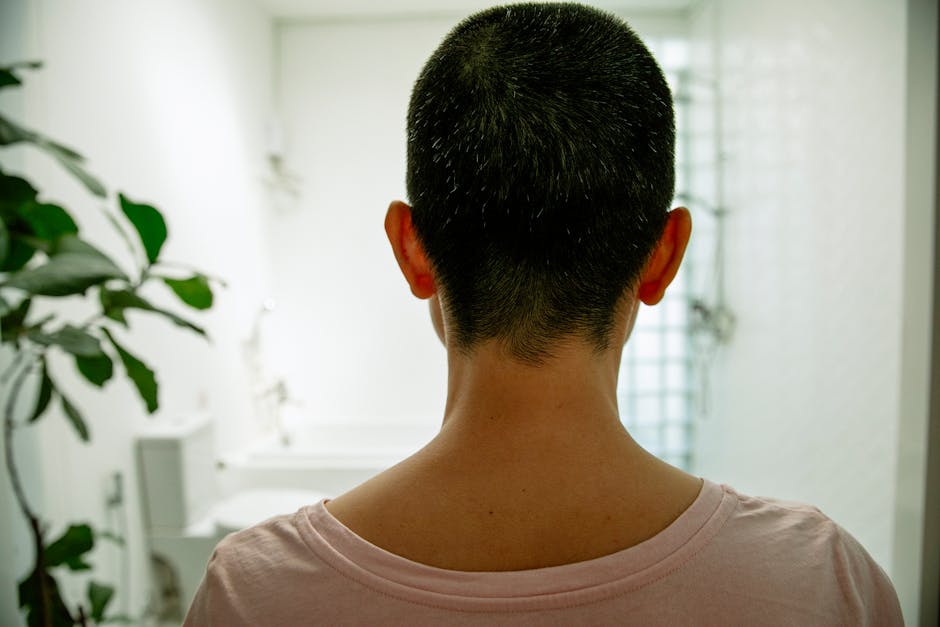
Imagine this: you start every morning with a fresh shower, vigorously washing your hair, ready to face the day. It feels refreshing, and your hair looks great. Or does it? What if I told you that this daily ritual might be doing more harm than good to your luscious locks? Overwashing is a common mistake many make, often without realizing its impact. Especially in a bustling city like Lagos, where heat and humidity can make you feel like a daily wash is a necessity.
Overwashing strips your hair of its natural oils. These oils are crucial for maintaining the health and shine of your hair. Without them, your hair can become dry, brittle, and prone to breakage. This phenomenon is not just about losing oils but also about losing the natural balance your scalp needs to thrive.
Before you begin to panic and toss away your shampoo, let's explore how you can fix this common hair care error without compromising on cleanliness and freshness.
Understanding the Problem: What is Overwashing?
The term 'overwashing' refers to the excessive frequency of washing your hair, often using harsh shampoos that strip away essential oils. For most people, washing hair every day falls into this category.
Why Do People Overwash?
There are several reasons why individuals might fall into the overwashing trap:
- Oiliness: Some believe that washing more often will reduce oiliness. However, this can lead to the opposite effect as your scalp might produce more oil to compensate.
- Societal Norms: In places with high humidity like Nigeria, there's a cultural expectation to have clean, fresh hair at all times.
- Misinformation: Lack of awareness about the natural hair cycle and recovery time needed between washes.
The Negative Impact on Hair
Overwashing can lead to a vicious cycle of damage:
- Dryness: Without natural oils, hair becomes more susceptible to environmental damage and feels rough.
- Frizz: Hair lacking moisture tends to frizz, making it harder to manage.
- Breakage: Repeated removal of natural oils weakens hair strands, leading to breakage.
“A balanced hair care routine is key to maintaining healthy hair. It’s not about washing less, but about washing smart.”
Signs You're Overwashing Your Hair
Not sure if you're guilty of overwashing? Here are some telltale signs:
Constant Dryness
If your hair feels rough and straw-like despite conditioning, you might be overwashing.
Increased Oiliness
Ironically, your scalp might produce more oil to combat dryness, leading to an oilier appearance.
Scalp Irritation
Itching, flakiness, or even redness could indicate that your scalp is irritated from too much washing.
How to Correct the Overwashing Mistake
So, you’ve identified the problem. Now, what? Fixing your hair care routine is easier than you might think.
Adjust Your Washing Frequency
- Try washing every 2-3 days: This gives your hair time to restore its natural oils.
- Use dry shampoos: They can help bridge the gap between washes without stripping oils.
Choose the Right Products
- Sulfate-free shampoos: These are gentler and better for maintaining natural oils.
- Condition regularly: Focus on hydrating your hair with conditioners that nourish rather than just coat the hair.
Incorporate Hair Treatments
Consider weekly treatments like hair masks or oil treatments to replenish moisture and strength.
Adapting Your Routine to Nigerian Climate
Lagos's climate poses unique challenges to hair health. Here's how to adapt your routine:
Humidity Control
- Anti-humidity sprays: These can help manage frizz without overwashing.
- Protective hairstyles: Styles like braids or twists can protect your hair from environmental stress.
Remember, your hair routine is not one-size-fits-all. Adjustments might be needed based on seasonal changes and personal lifestyle.
Final Thoughts
Correcting the overwashing mistake can lead to healthier, shinier, and more manageable hair. By understanding the delicate balance your hair needs, you can make informed decisions about your hair care routine. Don't be afraid to experiment and find what truly works for you, taking into consideration your unique environment and hair type. Embrace a routine that respects your hair's natural processes, and you'll be rewarded with hair that looks and feels fantastic.
“Healthy hair starts with understanding what it truly needs. Sometimes, less is more.”