The Harmattan season, a period characterized by dry and dusty northeasterly trade winds blowing from the Sahara Desert over West Africa, presents a unique challenge for hair care in Nigeria. As the temperature drops and humidity levels plummet, many individuals find their hair becoming brittle, dry, and prone to breakage. But why does this happen, and what can we do about it?
The dry and dusty conditions of Harmattan can strip the hair of its natural moisture, leaving it looking lifeless and frizzy. This period typically runs from late November to mid-March, and during these months, it becomes crucial to adapt your hair care routine to protect and nourish your strands.
In this article, we'll explore the specific ways Harmattan impacts Nigerian hair and offer practical advice to keep your locks healthy and vibrant throughout the season.
Understanding Harmattan's Impact on Hair
The Science Behind the Dryness
During Harmattan, the air becomes extremely dry due to the low humidity levels. This lack of moisture in the air means that your hair is more likely to lose its natural oils. Without these oils, hair can become brittle and more susceptible to damage.
The Role of Dust and Pollution
The winds during Harmattan carry a significant amount of dust, which can settle on the scalp and hair. This dust can clog hair follicles and lead to scalp irritation, further exacerbating dryness.
The dry air and dust combine to create a perfect storm for hair damage during Harmattan.
Adapting Your Hair Care Routine
Moisturizing Is Key
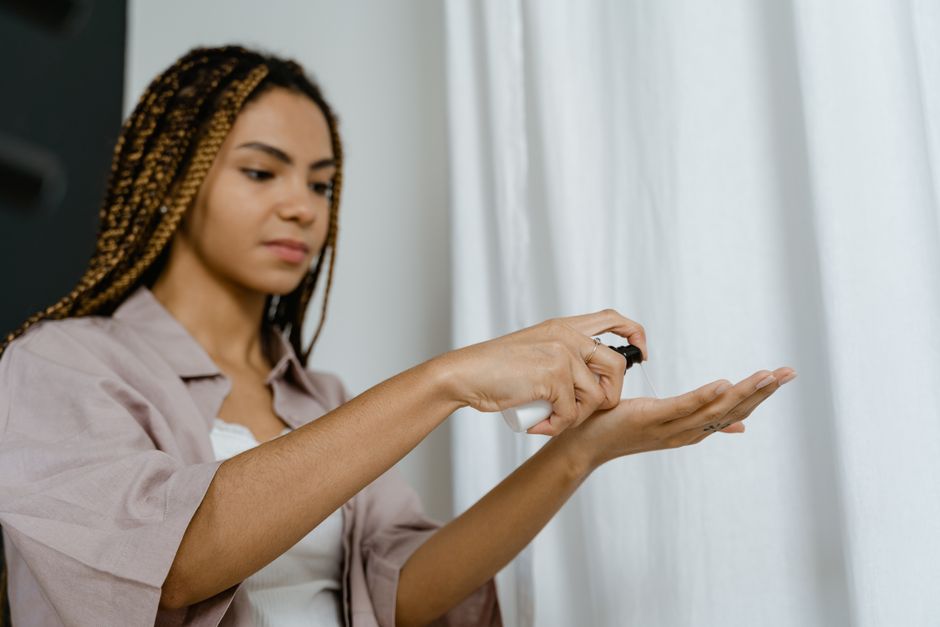
To combat the dryness, it's essential to incorporate deeply hydrating products into your routine. Consider using a leave-in conditioner or hair cream that contains shea butter or argan oil, known for their moisturizing properties.
- Apply a deep conditioner once a week.
- Use a light oil like coconut or jojoba to seal in moisture after washing.
- Consider protective styles to minimize exposure to the elements.
Scalp Care
Your scalp needs extra care during Harmattan. Regular oil massages can help maintain scalp health and stimulate blood flow, which promotes hair growth.
Don't neglect your scalp — it's the foundation of healthy hair.
Preventing Hair Damage
Protective Styling
Protective styles such as braids, twists, or buns can shield your hair from the harsh weather, reducing the risk of split ends and breakage.
Choosing the Right Products
Opt for sulfate-free shampoos that won't strip your hair of essential oils. Look for products specifically formulated for dry or damaged hair.
Consider using a silk or satin scarf or pillowcase to reduce friction and maintain moisture overnight.
Nutrition and Hydration
The Role of Diet
What you eat plays a significant role in how your hair looks and feels. Foods rich in Omega-3 fatty acids, like fish and walnuts, can help maintain hair health from the inside out.
Stay Hydrated
Remember to drink plenty of water. Hydration is essential for overall health and plays a critical role in maintaining the moisture levels of your hair and skin.
Healthy hair starts from within. Stay hydrated and eat a balanced diet for best results.
Weathering the Harmattan: Expert Tips
Here are a few expert-backed tips to keep your hair looking its best during Harmattan:
- Use a humidifier at home to add moisture to the air.
- Avoid heat styling tools which can exacerbate dryness.
- Trim your hair regularly to get rid of split ends.
Conclusion
Harmattan poses a unique challenge to hair health in Nigeria, but with the right care and attention, you can keep your hair looking vibrant and strong. By understanding the impact of the season and adjusting your routine accordingly, you can protect your hair from the damaging effects of dry air and dust. Remember, a little proactive care goes a long way in maintaining your hair's health and beauty throughout the season.