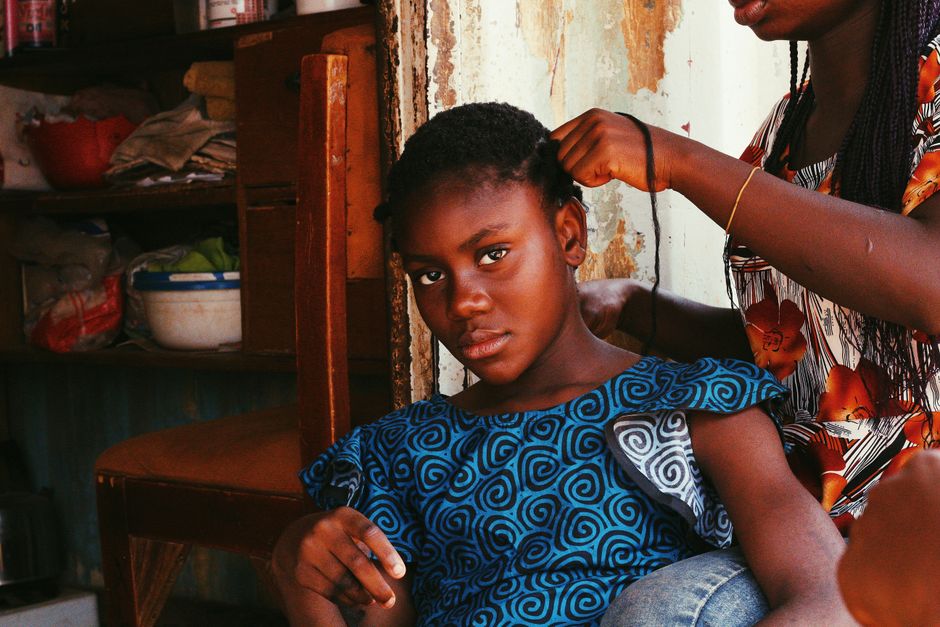
Reflecting on my hair care journey, I realize that my approach wasn't always ideal. Like many, I stumbled through trial and error, sometimes causing more harm than good. If I could go back, there are several things I'd change to better nurture my hair and save time and effort.
The first thing I'd do differently is pay closer attention to the products I used. I often chose products based on marketing rather than their ingredients or suitability for my hair type. This led to inconsistent results and unnecessary damage.
Understanding Hair Types and Needs
One major lesson I've learned is the importance of understanding your hair type. For Nigerian hair, which often ranges from type 3C to 4C, the needs can be quite specific, requiring more moisture and protection.
Identifying Your Hair Type
Before anything else, it's crucial to determine your hair type. This understanding guides everything from product selection to styling techniques.
- Type 3C: Tight curls and a finer texture. Often needs lightweight moisture.
- Type 4A/B/C: Coily and thick. This type thrives on heavier oils and creams for hydration.
"If I had understood my hair type earlier, I would've avoided products that led to excessive dryness or oiliness."
Product Selection and Ingredients
Another significant area where I'd make changes is in product selection. Not all hair products are created equal, and it's crucial to know which ingredients to look for and avoid.
Ingredients to Embrace and Avoid
Natural oils like coconut, olive, and black castor oil can be game-changers, especially for type 4 hair.
- Embrace: Products with natural oils and butters, such as shea butter and avocado oil.
- Avoid: Products with sulfates and parabens, which can strip hair of its natural oils.
The Importance of a Consistent Routine
Establishing a consistent hair care routine is another aspect I underestimated. Regularity matters more than you might think, impacting hair health significantly.
Creating Your Routine
Your routine should be as unique as your hair. It might include washing weekly, deep conditioning bi-weekly, and regular trims to maintain health and prevent breakage.
- Weekly Wash: Choose a sulfate-free shampoo.
- Bi-weekly Deep Condition: Use a hydrating mask infused with oils.
- Monthly Trims: Regular trims to maintain the shape and health of your hair.
"Consistency in my routine has led to stronger, healthier hair and less breakage."
Protective Styling and Heat Use
Protective styling and minimizing heat use are vital for maintaining the integrity of your hair.
Minimizing Heat Damage
Heat styling can cause significant damage, particularly on coarser hair types. I now limit my use of flat irons and blow dryers, and always use a heat protectant when I do use them.
- Protective Styles: Braids, twists, and buns reduce manipulation and protect ends.
- Heat Protectant: Always shield your hair before any heat application to minimize damage.
Final Thoughts
Reflecting on my hair care journey, I realize that education and patience are the keys to success. By understanding your hair, selecting the right products, maintaining a consistent routine, and protecting your hair, you can avoid many common pitfalls.
These changes have transformed my hair from brittle and unmanageable to healthy and vibrant. I hope my experiences can guide you towards a more effective hair care routine, tailored to your unique needs.