Looking back at my hair care journey, heat styling has been a significant part of my routine. I have always admired the sleek, glossy finish of straightened hair and the voluminous curls achieved with a curling iron. But if I could turn back time, there are a few things I would do differently to protect my hair and ensure it remained healthy. Here, I share the lessons learned and what I'd change about my heat styling habits.
Heat styling tools, like flat irons, curling wands, and blow dryers, can transform your look in minutes. However, using these tools without proper precautions can lead to weakened strands, breakage, and split ends. Over the years, I've tried countless products and methods to keep my hair looking its best while minimizing damage. Here's what I'd do differently.
Choosing the Right Heat Setting
Understanding Your Hair Type
One of my biggest mistakes was treating my hair the same way I saw others treat theirs. I wish I had tailored my heat settings to my hair type instead of cranking up the temperature to achieve quick results. Each hair type, whether coarse, fine, curly, or straight, requires different care. Overheating can lead to irreversible damage.
- For fine or thin hair, keep the temperature below 150°C.
- For medium or normal hair, 150°C to 180°C is ideal.
- For thick or coarse hair, temperatures up to 200°C might be necessary, but use with caution.
Investing in Quality Tools
I learned the hard way that not all styling tools are created equal. Investing in high-quality tools with adjustable heat settings and ceramic or tourmaline plates can make a significant difference in maintaining hair health. Cheaper tools often lack the technology to distribute heat evenly, leading to hot spots that can scorch your hair.
Pre-Styling Hair Protection
Using Heat Protectant Sprays
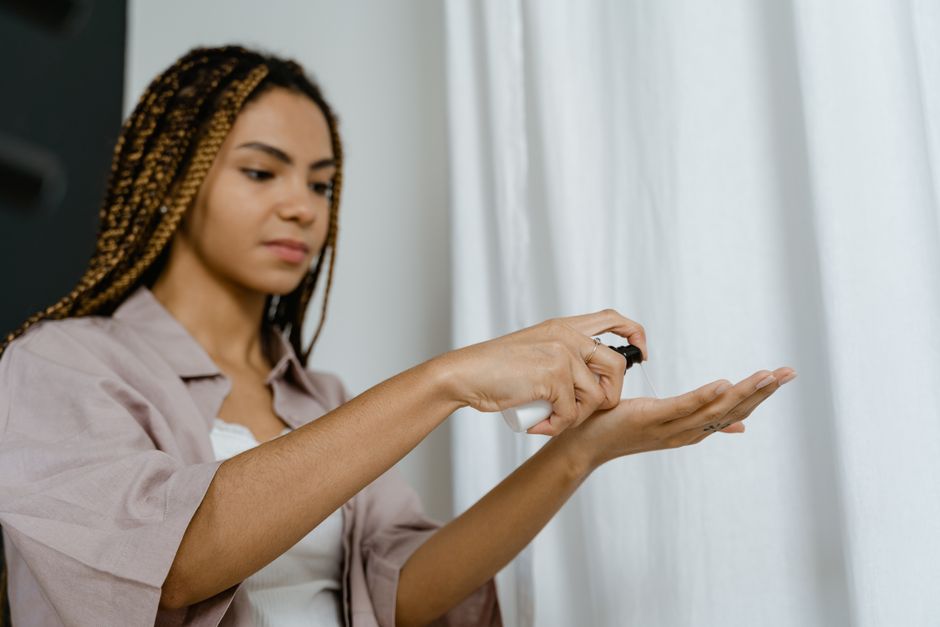
Protecting my hair with a heat protectant spray was something I often skipped in my early styling days. This was a mistake. Heat protectants create a barrier between your hair and the hot tool, reducing the risk of damage. I now ensure to apply a protectant every time I style, even if I'm in a hurry.
"Heat protectants are like sunscreen for your hair. Never skip it."
Ensuring Hair is Completely Dry
Another rookie error was styling damp hair. This mistake is commonly known as 'bubble hair' and can cause significant damage. Always ensure your hair is completely dry before styling with heat. Investing in a good quality blow dryer with adjustable settings helps achieve this without over-drying the hair.
Post-Heat Styling Hair Care
Regular Deep Conditioning Treatments
To counteract the drying effects of heat styling, I now schedule regular deep conditioning treatments. These treatments replenish moisture and strengthen the hair shaft. Products with ingredients like argan oil, shea butter, and keratin are excellent choices for nourishing and repairing hair.
- Deep condition once a week for damaged hair.
- Every two weeks for normal hair.
- Once a month for minimally styled hair.
Trimming Split Ends
Split ends are inevitable with regular heat styling, but regular trims can prevent them from traveling up the hair shaft. I aim to trim my hair every 8-12 weeks to keep it looking healthy and to promote growth.
Alternatives to Heat Styling
Exploring No-Heat Hairstyles
On days when I want to give my hair a break, I explore no-heat hairstyles like braids, buns, or using foam rollers. These styles can look just as glamorous without exposing my hair to damaging heat.
Embracing Natural Texture
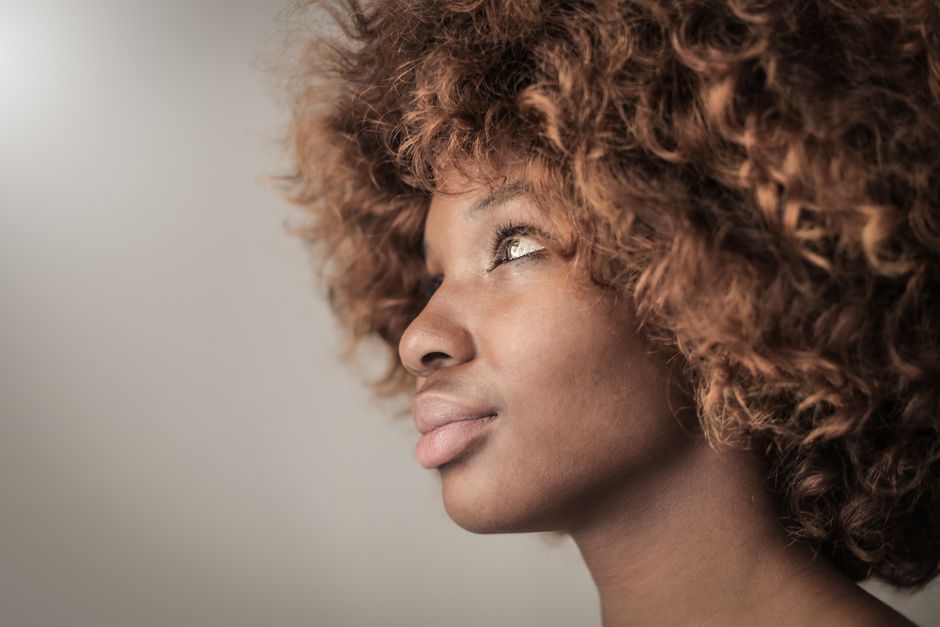
One of the most liberating changes I've made is embracing my natural hair texture. Not only does it give my hair a break from heat, but it also allows me to appreciate the unique beauty of my natural curls and waves.
"Sometimes the best style is the one you were born with."
Conclusion
If I could rewind and approach heat styling with the knowledge I have now, my hair would undoubtedly be in better shape. While I can't change the past, I can share these insights to help others avoid the same pitfalls. Remember, healthy hair is beautiful hair, and making small changes in your styling routine can make a big difference. Here's to healthier, happier hair journeys ahead!