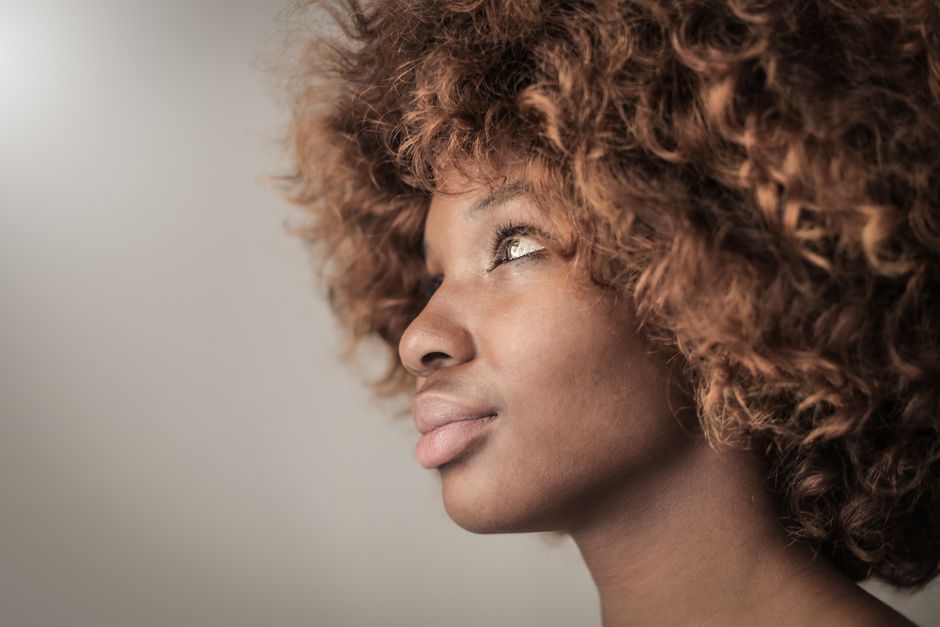
In the vibrant world of Nigerian beauty, taking care of our natural hair is more than just routine; it's a form of self-expression and cultural pride. Whether you're rocking a fierce afro or elegant braids, knowing how to care for your natural hair is key to ensuring it remains healthy and radiant. But with so much information out there, it can be challenging to filter through the noise and find what truly works for you. Well, worry not, dear reader! This guide is here to help you embrace your natural beauty and achieve hair that not only looks great but feels fantastic too.
The journey to healthy hair starts with understanding your unique hair type and needs. Nigerian hair, typically characterized by its rich texture and curl patterns, requires specific attention and care. From selecting the right products to incorporating effective haircare practices, this article will guide you through maintaining your natural hair with confidence and ease.
So, grab your favorite cup of tea, get comfortable, and let's dive into the wonderful world of Nigerian haircare. By the end of this article, you'll be equipped with all the knowledge you need to make your hair the crowning glory it deserves to be.
Understanding Your Hair Type
Before diving into the specifics of haircare, it's crucial to understand the type of hair you have. Nigerian hair can be broadly categorized into different types based on curl patterns.
Type 3: Curly Hair
This hair type features looser curls and tends to have more sheen. The curls are well-defined and form naturally into ringlets.
Type 4: Coily Hair
Often referred to as kinky or afro-textured, this hair type is characterized by distinct curls and coils. It can be further divided into 4A, 4B, and 4C, each requiring unique care techniques.
"Understanding your hair type is the first step towards finding the right haircare routine."
Choosing the Right Haircare Products
Once you've identified your hair type, selecting the right products becomes easier. Many Nigerian women find success with natural and locally-sourced products that cater to their hair's unique needs.
Shampoos and Conditioners
- Choose sulfate-free shampoos to avoid stripping natural oils.
- Opt for conditioners with natural oils like coconut or shea butter for added moisture.
Leave-in Conditioners and Oils
- Use leave-in conditioners to help detangle and hydrate.
- Natural oils such as argan or jojoba oil can provide shine and lock in moisture.
Effective Haircare Practices
Proper techniques can make a world of difference in maintaining healthy hair.
Regular Trimming
Trimming your hair every 6-8 weeks helps to get rid of split ends, promoting healthier growth.
Protective Styling
Styles like braids or twists minimize damage and protect the hair, especially during harsh weather conditions.
"Protective styles are not just a trend; they are a necessity for maintaining healthy natural hair."
Diet and Lifestyle
Your diet and lifestyle choices have a significant impact on your hair health. Hair is a reflection of what you put into your body.
Balanced Nutrition
- Include proteins, iron, and vitamins in your diet to support hair growth.
- Hydrate regularly to keep your scalp healthy and your hair supple.
Stress Management
Stress can lead to hair issues, including thinning. Engage in activities like yoga or meditation to keep stress levels in check.
Final Thoughts
Caring for natural Nigerian hair is a rewarding journey that celebrates not only beauty but heritage. By understanding your hair type, choosing the right products, and adopting effective care routines, you can maintain healthy and beautiful hair. Remember, your hair is a unique part of who you are, so wear it with pride and confidence.
Embrace the textures, the curls, and the beauty that comes naturally. With time, patience, and the right care, your hair will be living proof of your dedication and love for yourself.