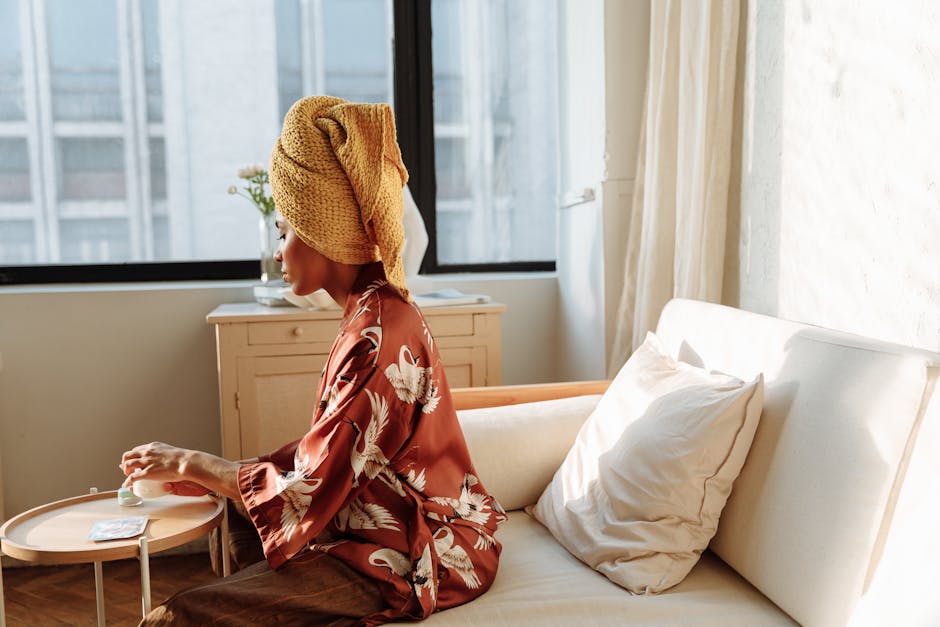
In the vibrant and diverse landscape of Nigeria, the beauty of natural hair is celebrated and cherished. Whether you're in Lagos, Abuja, or any part of the country, embracing your natural hair can be both a journey and an art form. With the right care and techniques, your hair can thrive, reflecting your unique style and personality. In this article, we'll delve into the best hair care tips specifically tailored for Nigerian women, focusing on natural hair textures. From practical routines to tried-and-true remedies, these insights will empower you to love and nurture your hair like never before.
Understanding your hair type is the first step in crafting an effective hair care routine. Nigerian women often possess a range of hair textures, from coily and curly to wavy and straight. Each type requires specific care to maintain its health and beauty. By learning about your hair's unique needs, you can choose products and practices that will enhance its natural beauty.
Understanding Your Hair Type
Identifying Hair Textures
Hair typing helps in determining the best care practices. Nigerian hair commonly falls under type 4 textures, characterized by tight curls or coils. However, variations exist, so it's important to identify your specific type.
- Type 4A: Soft, defined curls with a visible pattern.
- Type 4B: Z-shaped curls with less defined edges.
- Type 4C: Tightest of curls with minimal definition, prone to shrinkage.
Properly identifying your hair type can significantly impact how you care for it. Use this understanding to select products and routines that cater specifically to your texture.
Assessing Hair Porosity
Hair porosity refers to your hair's ability to absorb and retain moisture. This can affect how your hair responds to different products and treatments. There are three categories:
- Low porosity: Difficult for moisture to penetrate the hair shaft.
- Medium porosity: Balanced moisture absorption and retention.
- High porosity: Absorbs moisture quickly but loses it just as fast.
Test your hair porosity by placing a strand of clean hair in a glass of water. If it floats, you have low porosity; if it sinks immediately, it's high porosity. Medium porosity hair will hover in the middle.
Building a Hair Care Routine
Cleansing and Conditioning
A good hair care routine begins with regular cleansing. Choose a sulfate-free shampoo to avoid stripping natural oils. Follow with a rich conditioner to restore moisture.
Cleansing routines should be tailored to your lifestyle and hair needs. Typically, washing once a week or bi-weekly works well for most Nigerian hair types.
Co-washing, or washing with conditioner, can be a gentle alternative to shampooing, especially for those with very dry hair. It helps maintain moisture levels while keeping your hair clean.
Moisturizing and Sealing
Moisturizing is crucial for maintaining healthy hair. Use a leave-in conditioner or moisturizing cream daily or as needed, depending on your hair's moisture retention.
Sealing involves applying oils or butters to lock in moisture. Common sealants include shea butter, coconut oil, and argan oil. Apply these after moisturizing to keep your hair hydrated longer.
Protective Styling
Protective styles, such as braids, twists, or bantu knots, help reduce breakage and promote growth by minimizing hair manipulation. They also shield your hair from environmental stressors.
Opt for styles that don't pull too tightly on your scalp to prevent traction alopecia and promote healthy hair growth.
Ensure your hair is well-moisturized before styling, and regularly refresh it to maintain health and elasticity.
Addressing Common Hair Concerns
Managing Breakage
Breakage can be a significant concern for many Nigerian women due to the inherent fragility of natural hair. To combat this:
- Use a wide-tooth comb or finger detangle to minimize breakage.
- Incorporate protein treatments monthly to strengthen your hair.
- Avoid excessive heat styling and chemical treatments.
Regular trims also help remove split ends, making your hair less prone to breakage.
Dealing with Dry Scalp
A dry, itchy scalp can be uncomfortable and lead to dandruff. Combat dryness by:
- Using natural oils like tea tree or jojoba oil to moisturize the scalp.
- Avoiding harsh shampoos with sulfates and opting for soothing alternatives.
- Regular scalp massages to stimulate blood flow and distribute natural oils.
Encouraging Hair Growth
For many, long, healthy hair is a desirable goal. To stimulate growth:
- Maintain a balanced diet rich in vitamins and minerals essential for hair health, like biotin, vitamin E, and omega-3 fatty acids.
- Reduce stress levels through meditation, yoga, or other relaxation techniques.
- Consider supplements if your diet lacks specific hair-boosting nutrients.
Caring for Your Hair the Natural Way
DIY Hair Masks and Treatments
Natural ingredients found in your kitchen can provide nourishment and care for your hair. Some popular DIY treatments include:
- Avocado Hair Mask: Mix mashed avocado with olive oil for a moisturizing mask.
- Aloe Vera Treatment: Fresh aloe vera gel can soothe the scalp and add shine.
- Rice Water Rinse: Fermented rice water is known to strengthen and thicken hair.
These treatments are not only cost-effective but also free from harsh chemicals, making them perfect for natural hair care.
Herbal Hair Rinses
Herbs can enhance your hair care routine, offering various benefits. Consider trying:
- Hibiscus Rinse: Known for enhancing shine and promoting growth.
- Moringa Rinse: Rich in vitamins, this herb nourishes and strengthens hair.
- Neem Antifungal Rinse: Helps combat dandruff and soothe itchy scalp.
These herbal rinses can be incorporated weekly or bi-weekly to enhance your hair's overall health and appearance.
Conclusion
Embracing your natural hair is a beautiful journey that celebrates your heritage and individuality. By understanding your hair type and needs, building a tailored routine, and using natural remedies, you can keep your hair healthy and vibrant. Remember, consistency and patience are key; your hair will reward you for the care and love you invest in it. Whether you're navigating the bustling streets of Lagos or relaxing in the serene landscapes of Abuja, your hair is your crown — wear it with pride.