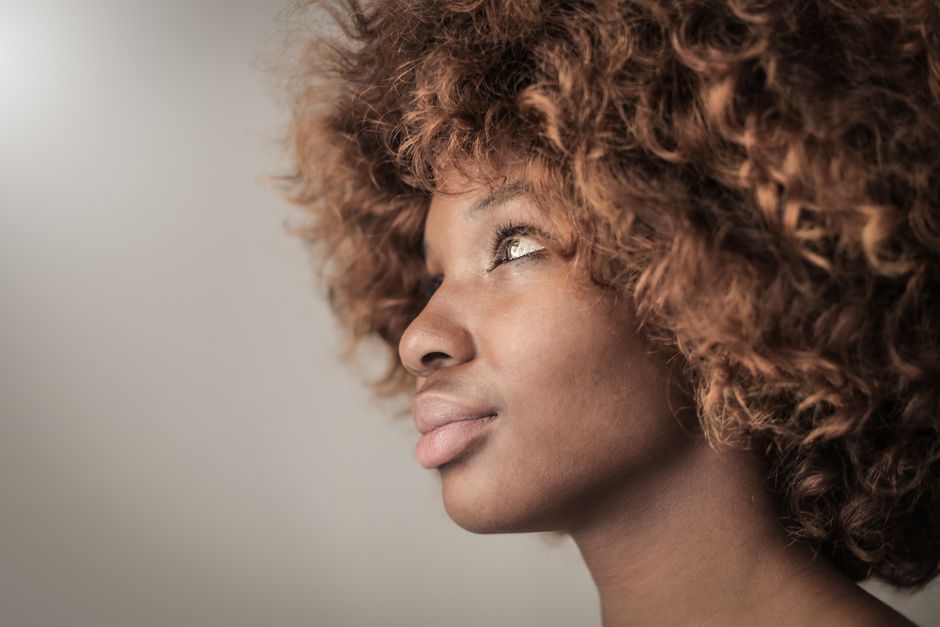
In Nigeria, where the climate ranges from humid to dry, maintaining natural hair can often feel like a daunting task. Whether you're navigating the bustling streets of Lagos or enjoying a quiet day in Abuja, your hair deserves the best care possible. This comprehensive guide will help you unlock the secrets to healthy, beautiful natural hair right here in Nigeria.
Natural hair care isn't just a trend—it's a lifestyle that celebrates the beauty of your roots. But with the plethora of products on the market and varying advice, it's crucial to understand what works best for you. In this article, we'll explore practical tips and tricks to keep your hair thriving in Nigeria's unique climate.
Understanding Your Hair Type
Before diving into hair care routines, it's essential to understand your hair type. In Nigeria, where diversity in hair textures is rich, knowing your hair type can guide you in selecting the appropriate products and techniques.
The Different Hair Types
Hair types are generally categorized into four major groups:
- Type 1: Straight hair
- Type 2: Wavy hair
- Type 3: Curly hair
- Type 4: Coily or kinky hair
Most Nigerian women have Type 4 hair, which is known for its tight curls and coils. This hair type is beautiful and versatile, but it can also be more prone to dryness and breakage.
"Embrace your natural texture. Understanding your hair type is the first step to achieving healthy hair."
Choosing the Right Products
Your hair's health is significantly influenced by the products you use. In Nigeria, where the market is filled with both local and international brands, selecting the right products can be overwhelming.
Key Ingredients to Look For
When choosing hair products, look for ingredients that are nourishing and protective. Some beneficial ingredients include:
- Coconut Oil: Known for its moisturizing properties.
- Shea Butter: A natural emollient that locks in moisture.
- Aloe Vera: Hydrates and soothes the scalp.
- Castor Oil: Promotes hair growth and reduces breakage.
Products to Avoid
While many products promise miracle results, some contain harsh chemicals that can harm your natural hair. Avoid products with:
- Sulfates: Strips natural oils from the hair.
- Parabens: Can cause scalp irritation.
- Silicones: Build up on the hair, leading to dullness.
Protective Styling
With the unpredictable weather conditions in Nigeria, protective styling is a crucial aspect of natural hair care. These styles not only shield your hair from environmental damage but also help in retaining length and moisture.
Popular Protective Styles
Some of the most popular protective styles among Nigerian women include:
- Box Braids: Versatile and long-lasting.
- Twists: Easy to install and remove.
- Cornrows: Classic style that protects and defines.
- Wigs and Weaves: Provide a break from regular styling.
It is important to ensure that these styles are not too tight, as this can lead to traction alopecia, a condition where hair loss occurs due to tension on the hair follicles.
"Protective styles should protect, not harm. Ensure your stylist is gentle and aware of your hair's needs."
Building a Hair Care Routine
Consistency is key to a successful hair care routine. In Nigeria, where factors such as dust, heat, and humidity can affect your hair, having a structured routine is essential.
Daily Hair Care Tips
Keep your hair moisturized by:
- Using a leave-in conditioner suited for your hair type.
- Covering your hair with a satin scarf or bonnet at night.
- Drinking plenty of water to stay hydrated.
Weekly Hair Care Routine
Incorporate these steps into your weekly routine:
- Deep Conditioning: Use a deep conditioner to restore moisture.
- Scalp Care: Massage your scalp with oils to stimulate hair growth.
- Moisture and Seal: Use a water-based moisturizer and seal with oil.
Dealing with Hair Challenges in Nigeria
The Nigerian climate poses unique challenges, from harmattan winds to dusty harmattan, which can all impact the health of your hair.
Managing Dryness
To combat dryness, especially during harmattan, it's crucial to:
- Use a heavier moisturizer or hair butter.
- Increase deep conditioning sessions.
- Limit the use of heat-styling tools.
Protecting Against Environmental Damage
Environmental factors can weaken your hair. Protect it by:
- Wearing hats or scarves when outdoors.
- Using UV protection sprays.
- Regularly cleansing to remove dust and pollutants.
Conclusion
Caring for natural hair in Nigeria may seem challenging, but with the right knowledge and tools, it becomes a rewarding journey. By understanding your hair type, choosing appropriate products, and adopting effective protective styles, you can maintain healthy, vibrant hair. Remember, consistency is key, and your hair will thank you for the love and attention you give it.