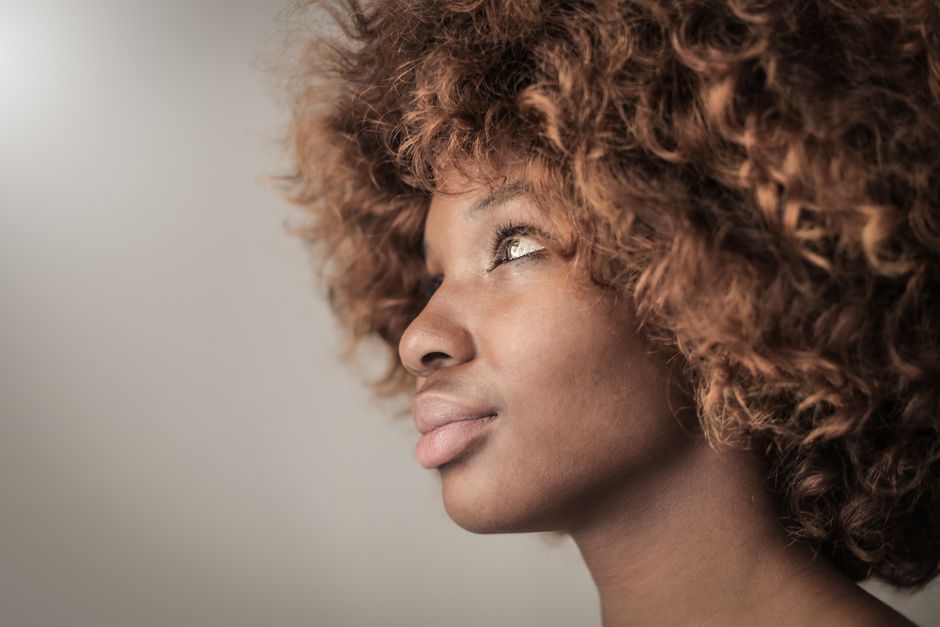
Natural hair care is a journey many Nigerians embrace with pride and excitement. With the right knowledge and tools, maintaining healthy natural hair can be both rewarding and enjoyable. Whether you're just starting your natural hair journey or looking to refine your routine, this guide is packed with practical tips and expert advice tailored for Nigerian hair textures and climate.
Understanding your natural hair is the first step towards nurturing it. Nigerian hair, often characterized by its tight curls and coils, requires specific care to thrive. Challenges such as humidity, dust, and the harsh sun can affect your hair's health, but with the right strategies, your natural hair can shine with life and vitality.
Understanding Your Natural Hair Type
Identifying Your Curl Pattern
Your curl pattern plays a crucial role in determining the type of care your hair needs. Most Nigerian hair falls into the Type 4 category, which includes 4A, 4B, and 4C hair types. Each type has unique characteristics and requires different care methods.
- 4A Hair: Known for its tightly coiled S-pattern, 4A hair is soft and retains moisture better than other Type 4 hair.
- 4B Hair: Featuring a Z-shaped pattern, 4B hair is less defined and prone to shrinkage but can achieve volume and shape with the right products.
- 4C Hair: Characterized by its tight coils and shrinkage, 4C hair is the most delicate and requires intensive moisture retention strategies.
Assessing Hair Porosity
Hair porosity refers to your hair's ability to absorb and retain moisture. Knowing your hair's porosity helps you choose the right products and routine.
"Understanding your hair porosity can revolutionize your hair care regimen by helping you select products that enhance moisture retention."
Building a Basic Natural Hair Care Routine
Moisturizing and Sealing
Moisture is key to healthy natural hair. Implement a routine of regular moisturizing and sealing to prevent dryness and breakage.
- Moisturize: Use water-based leave-in conditioners to hydrate your hair. Focus on applying products to damp hair to maximize absorption.
- Seal: Lock in moisture with oils such as coconut oil, shea butter, or argan oil to maintain hydration throughout the day.
Cleansing and Conditioning
Proper cleansing removes product buildup and keeps your scalp healthy. Alternate between co-washing and using sulfate-free shampoos to balance cleanliness and moisture.
"A clean scalp is the foundation of healthy hair. Cleanse regularly to promote growth and prevent scalp issues."
Selecting the Right Products
Choosing Natural Ingredients
Natural ingredients are often gentler and more effective for Nigerian hair. Look for products with shea butter, aloe vera, and black castor oil.
- Shea Butter: Rich in vitamins A and E, shea butter provides moisture and protection from environmental factors.
- Aloe Vera: Known for its soothing properties, aloe vera helps in reducing scalp irritation and promoting hair growth.
- Black Castor Oil: This oil is revered for its ability to stimulate hair growth and add shine.
Avoiding Harmful Chemicals
Chemicals like sulfates, parabens, and silicones can damage your hair over time. Choose products labeled "sulfate-free" or "paraben-free" for safer options.
Protecting Your Hair from Environmental Damage
Shielding Against Sun and Humidity
The intense Nigerian sun and humidity can wreak havoc on natural hair. Protect your hair with hats, scarves, or UV-protective sprays.
"A stylish hat or scarf not only complements your look but also acts as a barrier against harsh environmental elements."
Minimizing Heat Damage
Excessive use of heat styling tools can lead to dryness and breakage. Opt for heatless styling methods like twist-outs and bantu knots for versatile looks.
Nurturing Your Hair from the Inside Out
Nutrition and Hydration
Your diet significantly impacts the health of your hair. Consume a balanced diet rich in vitamins and minerals.
- Iron: Found in leafy greens and red meat, iron supports hair growth and strength.
- Omega-3 Fatty Acids: Present in fish and nuts, omega-3s enhance hair elasticity and shine.
- Biotin: Also known as vitamin B7, biotin promotes hair thickness and growth.
Exercise and Stress Management
Regular exercise improves blood circulation, which benefits hair growth. Additionally, managing stress through meditation or yoga can prevent hair loss caused by stress.
Final Thoughts
Embracing your natural hair is a beautiful journey that involves understanding and loving your unique texture. By implementing the right practices and using the best products, you can maintain healthy, vibrant, and strong natural hair. Remember, patience is key. With dedication and care, your natural hair will flourish regardless of the challenges posed by climate or lifestyle.
"Natural hair is not just a style; it's an expression of self-love and cultural heritage."