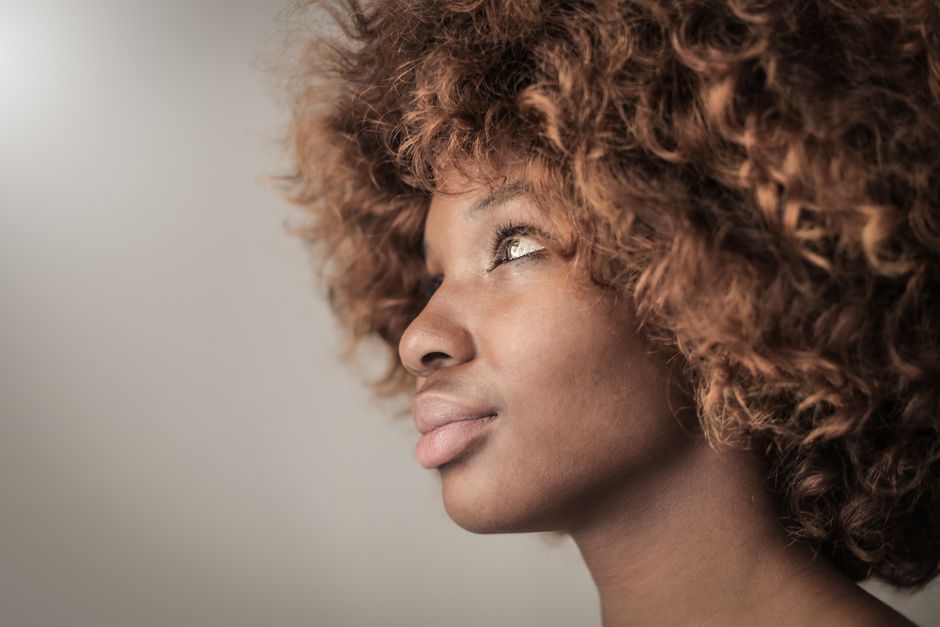
In Nigeria, our hair is more than just a physical attribute—it's a symbol of cultural identity, pride, and personal style. From the bustling streets of Lagos to the serene villages of the North, the diverse textures and styles of Nigerian hair tell stories of heritage and individuality. But caring for natural hair in Nigeria comes with its own set of challenges, from the harsh climate to the demands of modern life. Fear not, because with a few strategic tips and tricks, you can keep your natural hair healthy, vibrant, and beautiful.
Natural hair care is not just a trend—it's a movement. And whether you're a natural hair novice or a seasoned pro, understanding the essentials of hair care can make all the difference. Let's dive into a complete guide on how to nurture and maintain your natural hair, celebrating its uniqueness every step of the way.
Understanding Your Hair Type
Knowing your hair type is the first step to developing a routine that works. Natural hair types can range from 3A to 4C, each with its own unique characteristics and needs.
Identifying Your Curl Pattern
The curl pattern refers to the shape and texture of your hair strands. Type 3 hair typically features loose curls, while type 4 hair is known for its tight coils.
- Type 3A: Loose, soft curls.
- Type 3B: Tighter, ringlet curls.
- Type 3C: Tight curls with lots of volume.
- Type 4A: Dense, springy coils.
- Type 4B: Z-shaped, less defined curls.
- Type 4C: Very tight curls, often with shrinkage.
Understanding your curl pattern can assist in choosing the right products and styling methods.
Building a Hair Care Routine
A consistent hair care routine is essential for maintaining healthy natural hair. This routine should be adaptable to suit your lifestyle and hair type.
Cleansing and Conditioning
Cleansing is crucial to remove product buildup and maintain scalp health. A gentle, sulfate-free shampoo is recommended for natural hair types.
- Shampoo: Use once or twice a week to avoid stripping your hair of natural oils.
- Conditioner: Follow up with a moisturizing conditioner to restore hydration.
- Deep Conditioning: Once a week, use a deep conditioner or hair mask to strengthen and nourish your hair.
“Deep conditioning is like a spa day for your hair—indulge it regularly!”
Moisturizing and Sealing
Natural hair thrives on moisture. To keep your hair hydrated, incorporate the LOC or LCO method into your routine.
- Liquid: Use water or a leave-in conditioner as the first step.
- Oil: Apply a natural oil like coconut or olive oil to seal in moisture.
- Cream: Finish with a cream-based moisturizer to lock in hydration.
Experiment with these steps to find the perfect balance for your hair.
Protective Styling
Protective styles are a great way to minimize damage and promote growth. They can range from braids to twists and wigs, offering versatility while giving your hair a break from daily manipulation.
Choosing the Right Style
Consider your lifestyle and hair needs when selecting a protective style.
- Braids: Ideal for low maintenance and protecting ends.
- Twists: Great for retaining moisture and easy to manage.
- Wigs: Offer variety and complete protection for your natural hair.
Ensure to give your hair breaks between styles to prevent tension and breakage.
Nutrition and Hair Health
Your diet plays a significant role in the health of your hair. The right nutrients can promote growth and strengthen your hair from within.
Essential Nutrients
Incorporate these key nutrients into your diet for optimal hair health:
- Protein: Essential for hair growth and strength.
- Iron: Supports healthy blood flow to the scalp.
- Omega-3 Fatty Acids: Promotes shine and elasticity.
- Vitamins A, C, and E: Help in producing sebum, a natural conditioner for the scalp.
Consider adding foods like fish, spinach, nuts, and fruits to your meals to boost your hair's health.
“What you put inside your body is just as important as what you put on your hair.”
Conclusion
Caring for natural hair is a journey, one that involves understanding its unique needs and nurturing it with love and patience. By embracing your hair's natural beauty and incorporating these tips into your routine, you'll be well on your way to healthy, vibrant hair that reflects your heritage and personal style. Remember, each strand tells a story, so wear it proudly and enjoy the journey of natural hair care.