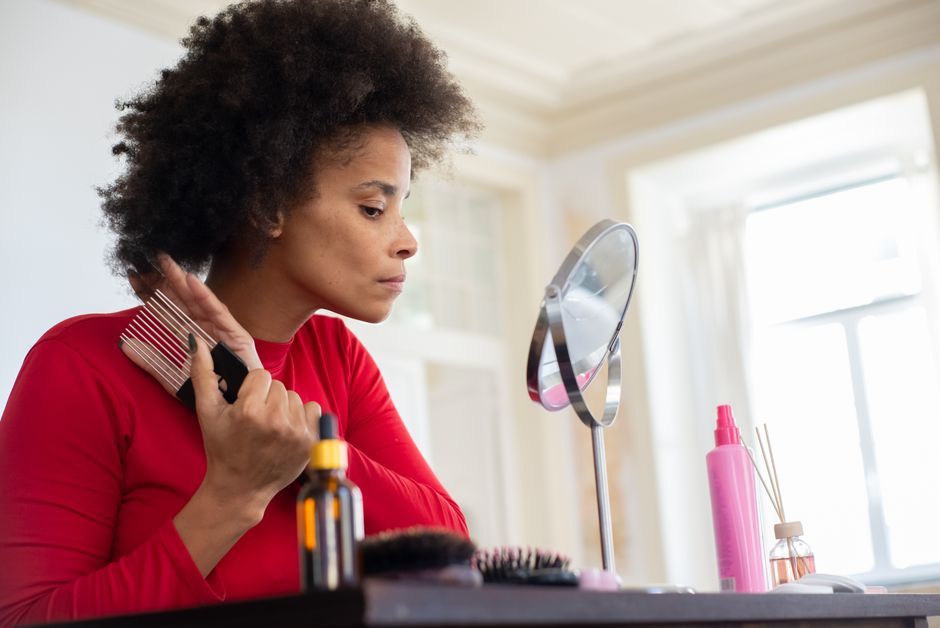
Welcome to Thimeline Beauty, where we're diving into the vibrant world of hair care, specifically focusing on the unique needs of Nigerian hair. Whether you're a naturalista embracing your curls or transitioning from chemically treated to natural hair, understanding how to care for your hair is crucial. Today, we're going to break down the essentials of creating a personalized hair care routine that celebrates your natural beauty.
Many Nigerian women face common hair challenges such as dryness, breakage, and shrinkage. However, with the right routine and products, you can transform your hair health and achieve those luscious, bouncy curls you’ve always desired. Stay with us as we explore the best practices and expert tips for maintaining and styling your natural hair.
Understanding Your Hair Type
Before you can tailor your hair routine, it's essential to understand your specific hair type. Nigerian hair types are diverse, ranging from Type 3 curls to Type 4 coils.
Identifying Your Curl Pattern
- Type 3: These curls are defined with a visible ‘S’ shape. They can be loose or tight but tend to have more definition than Type 4.
- Type 4: This type includes coiled curls that can range from tight to very tight. This type is prone to shrinkage and requires more moisture.
Knowing your hair type helps in selecting the right products and techniques for your hair's needs.
Essential Hair Care Steps
Cleansing
Proper cleansing is the foundation of a healthy hair routine. For Nigerian hair, it’s crucial to maintain a balance between cleaning the scalp and preserving moisture.
- Sulfate-Free Shampoos: Opt for moisturizing, sulfate-free shampoos that won’t strip natural oils.
- Co-Washing: Consider using conditioner to wash your hair, which can be less drying.
Conditioning
Moisture is key for Nigerian hair, and conditioning should never be skipped. Here are some tips:
- Deep Conditioning: Use a thick, hydrating deep conditioner once a week to nourish your curls.
- Leave-In Conditioners: These provide ongoing moisture and protection between washes.
Moisturizing and Sealing
Locking in Moisture
Moisture retention is a common struggle for Nigerian hair, so incorporating a good moisturizing and sealing routine is essential.
- LOC Method: This involves applying Liquid (water-based product), Oil, and Cream to lock in moisture.
- Sealing Oils: Use oils like coconut or shea butter to seal in moisture.
Tip: Always apply moisturizers to damp hair to ensure the product penetrates deeper into the hair shaft.
Styling Tips for Nigerian Hair
Protective Styles
Protective styles are a great way to give your hair a break from daily manipulation and promote growth.
- Box Braids: Classic and versatile, these can last for weeks and are perfect for low-maintenance periods.
- Twist Outs: A stylish way to wear your hair out while keeping it protected.
Heat Styling
While heat can damage hair, using the right tools and techniques can minimize harm.
- Heat Protectants: Always use a heat protectant spray before blow-drying or flat ironing.
- Limit Heat Use: Try to limit heat styling to once a month to preserve hair health.
DIY Hair Treatments
Natural Ingredients You Can Use
DIY treatments can be both fun and effective. Here are some ingredients that are beneficial for Nigerian hair:
- Aloe Vera: Great for moisture and scalp health.
- Avocado and Honey: Perfect for deep conditioning masks.
These natural treatments are not only cost-effective but also packed with nutrients.
Conclusion
Maintaining Nigerian hair requires understanding, patience, and the right products. By knowing your hair type, following a consistent routine, and embracing healthier hair practices, you can significantly improve the health and appearance of your hair. Remember, it's not just about the products you use but how you use them. Embrace your natural beauty, and let your hair tell your unique story.