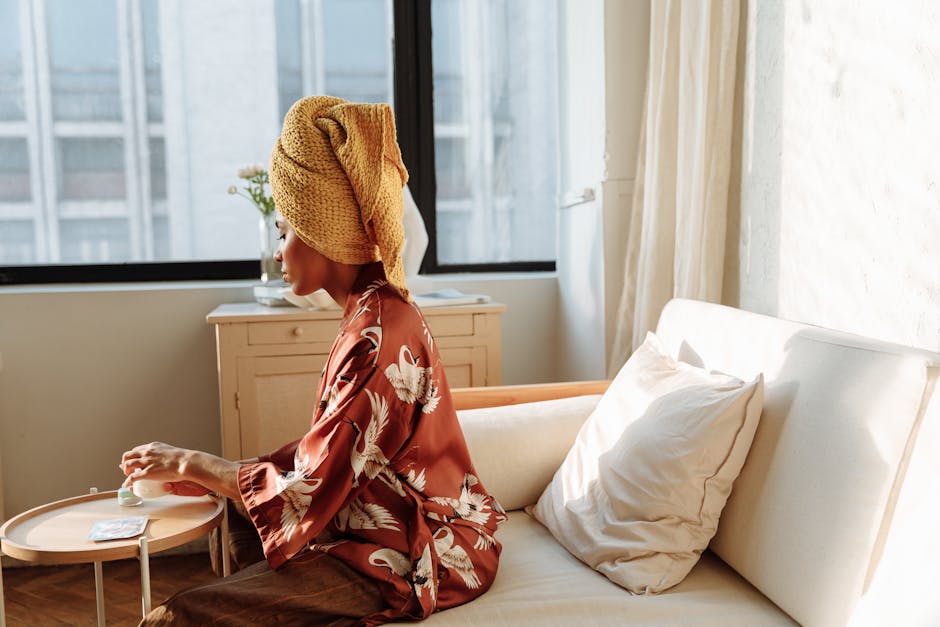
When it comes to hair care, Nigerian women have long been celebrated for their beautiful, diverse hair textures. From luscious curls to sleek strands, our hair tells a story of heritage, strength, and beauty. However, achieving and maintaining healthy hair can sometimes feel like a daunting task, especially with the variety of challenges that come with our unique hair types. Fear not, because today we’re diving deep into the world of Nigerian hair care, sharing tips and tricks that will leave your hair looking and feeling its best.
Whether you're embracing your natural hair texture or transitioning from chemically treated hair, understanding your hair's needs is essential. This guide will provide you with practical advice and credible information to help you along your hair care journey. By the end of this article, you'll be equipped with knowledge that transcends trends, empowering you to care for your hair with confidence.
Let's explore the fundamental aspects of Nigerian hair care, from choosing the right products to establishing a routine that suits your lifestyle, all while celebrating the beauty of your natural hair.
Understanding Your Hair Type
The Diversity of Nigerian Hair
Nigerian hair is incredibly diverse, ranging from tight coils to loose waves. Understanding your hair type is crucial as it influences the products and techniques that will work best for you.
Identifying Your Hair Type
To care properly for your hair, start by identifying your hair type. This can generally be categorized into four types: Type 4 (coily), Type 3 (curly), Type 2 (wavy), and Type 1 (straight).
- Type 4: Known for its tight coils, this hair type requires regular moisturizing and gentle care to prevent breakage.
- Type 3: Curly hair tends to be springy and defined, benefiting from products that enhance curl definition and reduce frizz.
- Type 2: Wavy hair is generally more resilient but can become frizzy. Lightweight products that add volume are ideal.
- Type 1: Straight hair is typically more oily and may require products that control oil without weighing it down.
“Knowing your hair type is the first step in tailoring a hair care routine that brings out the best in your natural texture.”
Building a Hair Care Routine
Essential Hair Care Products
Choosing the right products is essential for a healthy hair care routine. the African market is filled with products that cater specifically to the needs of Nigerian hair.
- Moisturizing Shampoo: Look for sulfate-free formulas that cleanse without stripping natural oils.
- Deep Conditioner: Essential for maintaining moisture and preventing dryness.
- Leave-In Conditioner: Provides ongoing moisture and protection throughout the day.
- Nourishing Oils: Coconut, shea butter, and castor oils are fantastic for sealing in moisture.
Establishing a Routine
Consistency is key in hair care. A regular routine ensures your hair remains healthy and beautiful. Here's a basic guide:
- Weekly Wash Day: Use a moisturizing shampoo and follow up with a deep conditioner.
- Daily Moisture: Apply a leave-in conditioner daily to maintain moisture levels.
- Protective Styling: Incorporate protective styles like braids or twists to reduce manipulation.
- Night Care: Use a silk or satin bonnet to protect hair while sleeping.
Tackling Common Hair Challenges
Dealing with Dryness
Dryness is a common challenge for Nigerian hair, but it can be managed with the right routine and products.
“Hydration is your hair's best friend. Regular deep conditioning treatments can transform dry, brittle hair into luscious, hydrated locks.”
Managing Breakage
Breakage can be frustrating, but understanding its causes can help you take preventive measures.
- Gentle Detangling: Always detangle hair with a wide-tooth comb or your fingers to minimize breakage.
- Protein Treatments: Strengthen hair and reduce breakage with regular protein treatments.
The Role of Diet and Lifestyle
Nutrition and Hair Health
Your diet plays a significant role in the health of your hair. A balanced diet rich in vitamins and minerals supports strong, healthy hair growth.
Lifestyle Practices
Stress and environmental factors can impact hair health. Incorporate relaxation techniques and protect your hair from harsh weather conditions to maintain health.
Final Thoughts
Caring for Nigerian hair requires a combination of understanding your hair type, using the right products, and maintaining a consistent routine. By embracing your natural hair and investing in its health, you not only celebrate your unique beauty but also empower yourself to feel confident and radiant. Remember, your hair is a part of your identity, a testament to your heritage and individuality.