Hair care is an essential aspect of beauty, especially in Nigeria where diverse hair types and cultural practices influence our daily hair routines. Understanding the unique challenges faced by Nigerian women, from climate to lifestyle, can transform your approach to hair care, ensuring your tresses remain healthy and beautiful. Whether you're navigating the harmattan season or looking for protective styles, mastering hair care is easier than you think.
In this comprehensive guide, we'll dive into practical tips and expert advice tailored to your needs. We'll explore everything from understanding different hair textures to the best products for maintaining your hair's natural beauty. Let's embark on this journey to vibrant and resilient hair together!
Understanding Your Hair Type
Nigerian hair is incredibly diverse, ranging from kinky, coily, to wavy textures. Knowing your hair type is the first step towards choosing the right care routine and products. Each hair type has its unique needs, and understanding these can significantly impact how you treat your hair daily.
Kinky and Coily Hair
Kinky and coily hair is characterized by tight curls and coils. This hair type is prone to dryness as natural oils have a harder time traveling down the hair shaft. Moisturizing is crucial for maintaining its health.
- Use sulfate-free shampoos to prevent stripping natural oils.
- Incorporate deep conditioning treatments once a week.
- Opt for protective styles like braids or twists to minimize breakage.
Wavy Hair
Wavy hair has a unique S-shaped pattern. It tends to be more resilient to frizz than curly hair but still requires proper care to prevent damage.
- Choose lightweight, hydrating products to maintain volume.
- Use a wide-tooth comb to detangle when wet.
- Apply a leave-in conditioner to lock in moisture.
Dealing with Environmental Challenges
The Nigerian climate poses unique challenges for hair care. The dry and dusty harmattan season can strip your hair of moisture, while the rainy season can lead to increased humidity and frizz. Tailoring your hair care routine to the seasons is essential.
Harmattan Season
During harmattan, the dry air can cause your hair to become brittle and break easily. It's crucial to focus on hydration and protection.
- Use heavier oils like shea butter to seal in moisture.
- Wear protective styles to minimize exposure to harsh elements.
- Avoid excessive heat styling to prevent further drying.
Rainy Season
Increased humidity during the rainy season can lead to frizz and flyaways. Adjusting your hair care routine can help manage these effects.
- Opt for anti-frizz serums or creams.
- Embrace natural drying methods rather than blow-drying.
- Consider styles that work with your hair's natural texture, like wash-and-go.
Choosing the Right Products
Choosing the right products is key to achieving healthy hair. With an abundance of products available, understanding what works best for your hair type and concerns can be overwhelming. Here are some tips to guide your selection process.
Shampoos and Conditioners
The foundation of any hair care routine is a good shampoo and conditioner. For Nigerian hair, it's important to find products that provide both cleansing and moisture.
- Look for products free from sulfates and parabens.
- Opt for nourishing ingredients like coconut oil and argan oil.
- Use a clarifying shampoo once a month to remove buildup.
Styling Products
Styling products can enhance your natural texture and keep your hair looking fabulous. The right choice can make a big difference in the outcome of your hairstyles.
- For curls and coils, use curl creams and gels for definition.
- For wavy hair, sea salt sprays add texture without weighing hair down.
- Heat protectants are essential for anyone who frequently uses hot tools.
Healthy Hair Practices
Beyond products, your daily hair care practices can have a significant impact on the health of your hair. Simple changes to your routine can promote stronger, healthier hair.
Regular Trims
Trimming your hair regularly helps to prevent split ends and keep your hair looking fresh. Aim for a trim every 6-8 weeks to maintain your hair's health.
"Regular trims can prevent split ends from traveling up the hair shaft, leading to less breakage and healthier hair overall."
Gentle Detangling
Detangling can often lead to breakage if not done carefully. Use a wide-tooth comb or your fingers to gently detangle your hair, starting from the ends and working your way up.
Embracing Natural Hair
In recent years, many Nigerian women have embraced their natural hair textures, celebrating their unique beauty. Going natural can be a liberating experience, but it also requires a commitment to learning and adapting to your hair's needs.
The Big Chop
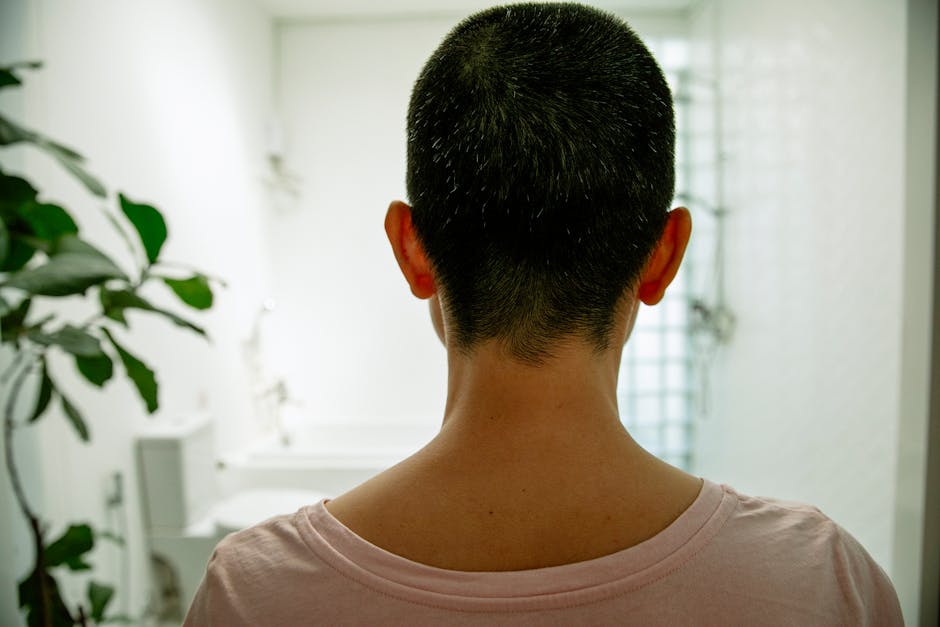
The big chop is a bold step that involves cutting off all chemically treated hair to fully embrace natural textures. It's a statement of self-love and empowerment.
- Prepare for an emotional journey; it can be transformative.
- Research styles and maintenance methods to make the transition smoother.
Protective Styling
Protective styles not only look beautiful but also help to keep your hair healthy. They're a great way to reduce manipulation and promote growth.
- Styles like braids, twists, and bantu knots are popular choices.
- Ensure styles are not too tight, to prevent traction alopecia.
- Keep your scalp clean and moisturized while wearing protective styles.
Final Thoughts
Caring for your hair in Nigeria involves understanding your unique hair type, adapting to environmental challenges, and choosing the right products and practices. While the journey to healthy hair can be challenging, embracing your natural texture and making informed choices can lead to stunning results. Remember, your hair is as unique as you are, and with the right care, it can be a powerful expression of your beauty and identity. Here's to your hair care journey, filled with confidence, health, and style!