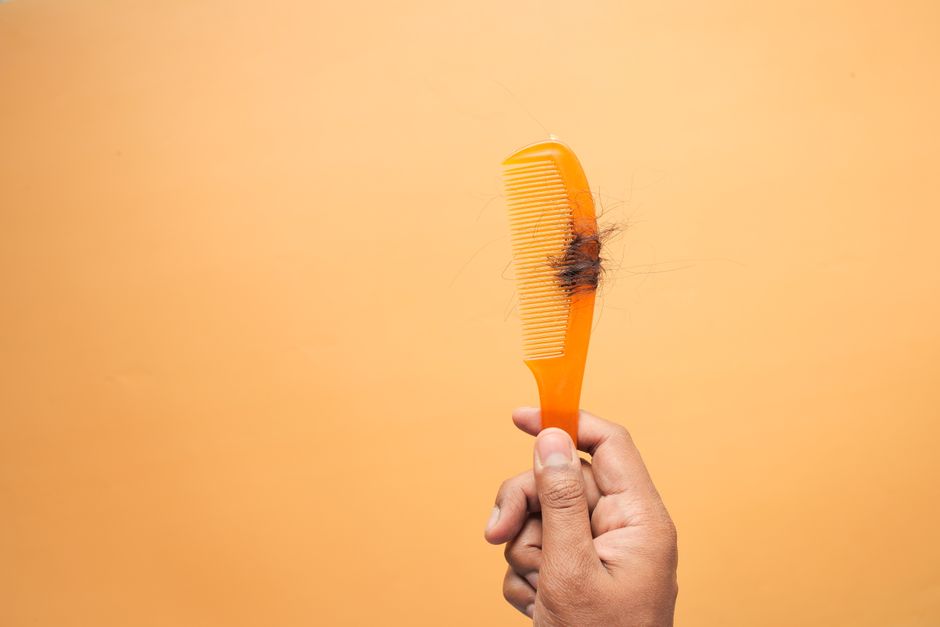
Imagine you've just stepped out of the shower, your hair dripping wet, and you reach for your brush. You may not realize it, but the way you detangle wet hair can either make or break your hair care routine. Many people unknowingly damage their hair at this vulnerable stage, leading to breakage, split ends, and loss of length. In Nigeria, where the climate can be both humid and dry, maintaining healthy hair is a priority for many, and understanding the correct detangling techniques can make a significant difference.
Let's dive into the common mistake of detangling wet hair improperly and how to fix it, so you can maintain that gorgeous length and health.
Understanding the Damage of Improper Detangling
One of the most common mistakes people make is using the wrong tool on wet hair. While it might seem intuitive to grab a brush, wet hair is more delicate and prone to breakage. Using a brush can cause unnecessary tension, leading to breakage and splitting.
Why Wet Hair is More Vulnerable
When hair is wet, it absorbs water and swells. This swelling makes the hair shaft weaker and more elastic, which means it can stretch more than dry hair but snaps back even less effectively. Without the right care, wet hair can become a nightmare for anyone trying to grow their hair longer.
The Science Behind Hair Breakage
As you pull a brush through your wet hair, you're essentially working against the natural elasticity of the hair shaft. This can cause the hair to break, leading to split ends, which in turn can result in hair that appears thinner and less healthy over time.
"Hair is at its weakest when wet. Always use a wide-tooth comb or your fingers to gently detangle." - Haircare Expert
Choosing the Right Tools for Detangling
The first step to correcting this mistake is simple: swap your hairbrush for a wide-tooth comb or a detangling brush designed specifically for wet hair. These tools are crafted to glide through hair without pulling or causing breakage.
Wide-Tooth Comb
A wide-tooth comb is a staple in any hair care routine. Its spaced-out teeth allow for gentle detangling, minimizing breakage and making it a perfect friend for your wet hair.
- Benefits: Reduces tension, gentle on hair, and easy to clean.
- How to Use: Start from the ends and work your way up to the roots.
Specialized Detangling Brushes
Brands like Tangle Teezer offer brushes specifically designed for wet hair. These brushes have flexible bristles that gently work through knots without damaging the hair shaft.
- Benefits: Designed for wet hair, reduces breakage, easy grip.
- How to Use: Use in sections for best results.
Detangling Techniques for Healthy Hair
Choosing the right tool is just one part of the equation. Knowing how to detangle properly is equally important.
Start from the Bottom
Always begin detangling from the tips of your hair and work your way up to the roots. This approach minimizes the risk of creating additional tangles and reduces pulling on the scalp.
Section Your Hair
Divide your hair into manageable sections before detangling. This technique ensures every strand is cared for and helps in maintaining a stress-free process.
- Tip: Use hair clips to keep sections separated as you work.
Incorporating Products for Easier Detangling
Using the right hair care products can significantly ease the detangling process.
Conditioners and Leave-ins
A good conditioner can provide the slip needed to detangle hair without damage. In Nigeria, where our hair can be naturally coarser, finding the right product to moisturize and protect is essential.
- Recommended Products: Cantu Shea Butter Leave-In Conditioning Repair Cream.
- Application: Apply generously to damp hair and leave in to provide slip and moisture.
Detangling Sprays
Detangling sprays are a fantastic addition to your hair care routine, offering extra lubrication to help comb through knots.
- Benefits: Adds moisture, reduces friction, and helps manage frizz.
- How to Use: Spray generously on damp hair before combing.
Protective Measures to Maintain Length
Once you've mastered the art of detangling, protecting your hair to maintain that length becomes the next priority.
Avoid Heat Styling
Heat can cause dry, brittle hair that is prone to breakage. Whenever possible, air-dry your hair instead of using heat styling tools.
Regular Trims
Believe it or not, regular trims are essential for maintaining length. Trimming split ends prevents them from traveling up the hair shaft and causing further damage.
- Frequency: Trim every 6-8 weeks for optimal health.
"Healthy hair starts with a healthy routine. Regular trims and proper detangling are key." - Hair Stylist
Conclusion
Detangling wet hair doesn't have to be the bane of your hair care regimen. By understanding the common mistakes and implementing the right techniques and tools, you can preserve your hair's health and length. Remember, healthy hair is a journey, not a destination. It's about consistent, gentle care, and your hair will thank you for it in the end.